

Are GLP-1 Weight Loss Injections Safe?
GLP-1 medications have quickly become one of the most talked-about options for medically supervised weight management. Medications such as semaglutide have changed the way many patients approach weight loss, particularly when traditional diet and exercise programs have not produced sustainable results.
But with their growing popularity comes an important question: Are GLP-1 weight loss injections safe?
For appropriate patients, GLP-1 medications can be an effective component of a medically supervised weight-management program. However, these medications are not appropriate for everyone, and safety depends on factors such as medical history, current medications, dosage, and ongoing monitoring.
How Do GLP-1 Medications Work?
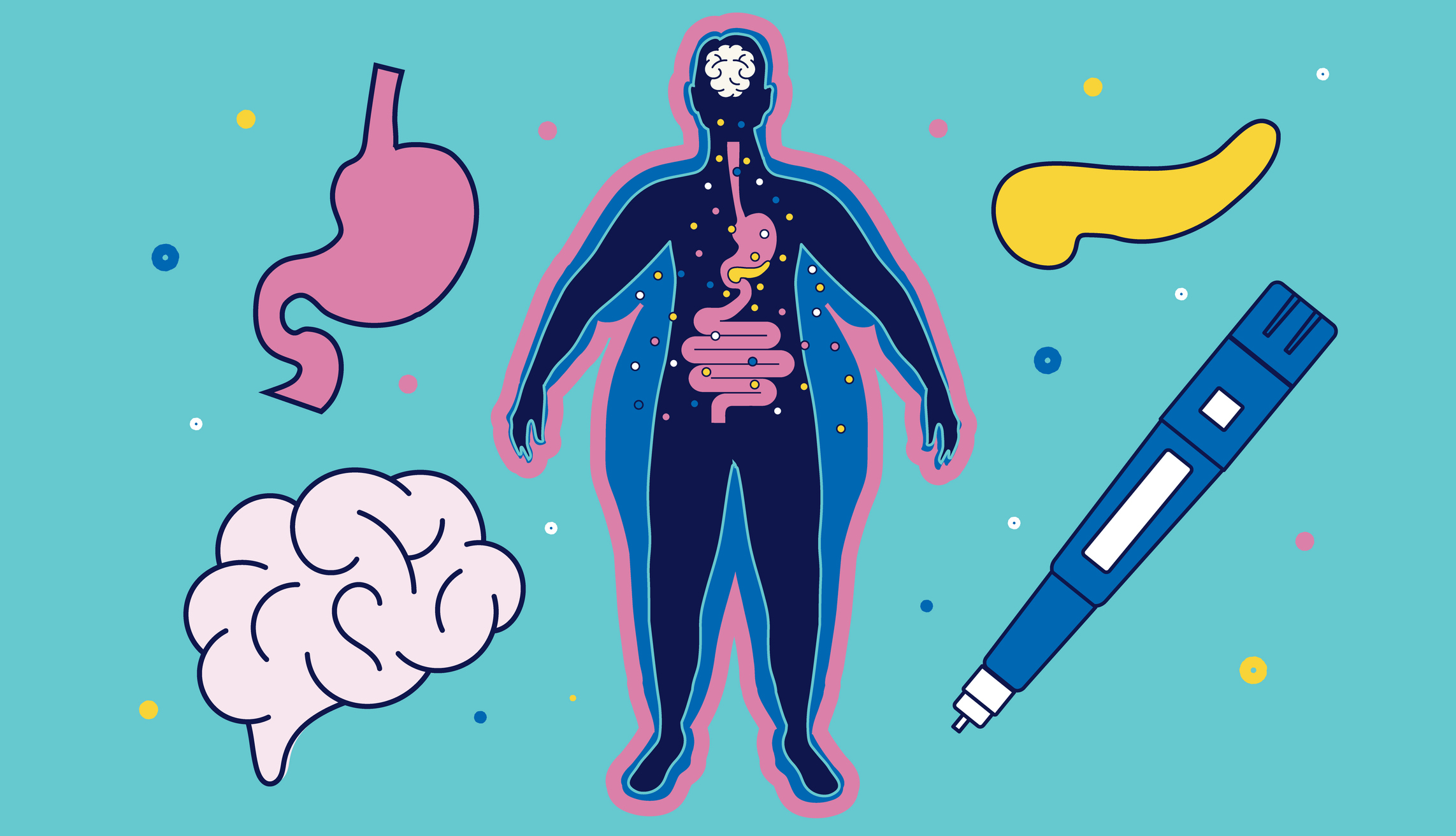
GLP-1 medications work with pathways involved in appetite, blood sugar regulation, and digestion. By influencing these systems, they can help patients feel full longer and reduce hunger and food cravings.
Semaglutide is one medication in this category that Fountain of You discusses as part of its peptide and metabolic-support offerings.
What Are the Potential Benefits?
For appropriately selected patients, medically supervised GLP-1 treatment may support:
- Appetite control
- Reduced food cravings
- Weight management
- Improved metabolic health
- Better adherence to a structured nutrition program
However, medication should not be viewed as a replacement for healthy nutrition, physical activity, sleep, and long-term lifestyle changes.
What Are the Side Effects?
Some patients experience gastrointestinal symptoms such as nausea, constipation, diarrhea, or vomiting, particularly when beginning treatment or adjusting dosage. Individual experiences vary.
That is why medical supervision is important. A qualified provider can evaluate your health history, determine whether treatment is appropriate, monitor your response, and make adjustments when necessary.
Who May Be a Candidate?
GLP-1 therapy isn’t simply about wanting to lose a few pounds.
A provider should consider your:
- Medical history
- Current medications
- Weight and metabolic health
- Previous weight-loss efforts
- Nutrition and lifestyle
- Treatment goals
- Potential contraindications
A personalized evaluation is an important first step before beginning prescription weight-loss medication.
What Happens After You Lose Weight?
One of the most important conversations surrounding GLP-1 therapy is what happens after weight loss.
Successful weight management involves more than reaching a number on the scale. Nutrition, resistance training, adequate protein intake, physical activity, sleep, and ongoing medical support can all play an important role in maintaining results.
If you’ve struggled with weight despite making changes to your diet and exercise routine, a medically supervised approach may provide another option to explore.
Fountain of You in Melbourne, Florida provides personalized wellness and weight-management services designed around the individual rather than a one-size-fits-all program.
Ready to Explore Your Options?
If you’re interested in learning whether medical weight management or GLP-1 therapy may be appropriate for you, schedule a consultation with Fountain of You in Melbourne, Florida.
Medical disclaimer: This article is for educational purposes only and is not a substitute for individualized medical advice, diagnosis, or treatment. Prescription weight-management medications are not appropriate for everyone and should only be used under the guidance of a qualified healthcare professional.